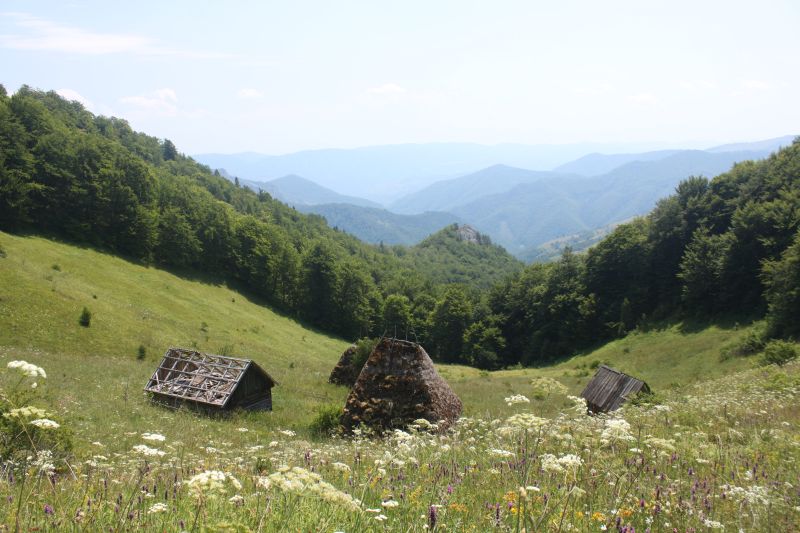
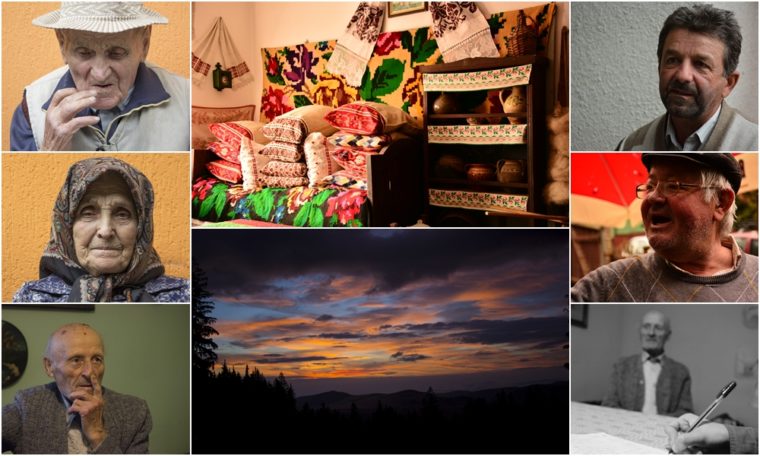
I present below the customs and traditions of the place after discussions with the locals. You can find beautiful thinks if you talking with the villagers of Băișoara area. They are warm and welcoming people, with an innate sense of humor, always want to help turists to discover a world completely new.
The flock of sheep ( ro.:Împreunatul oilor)
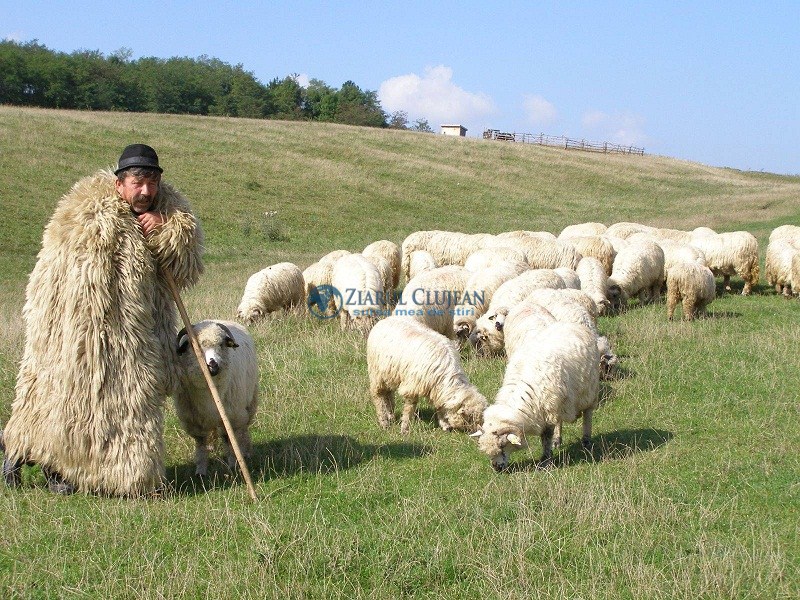
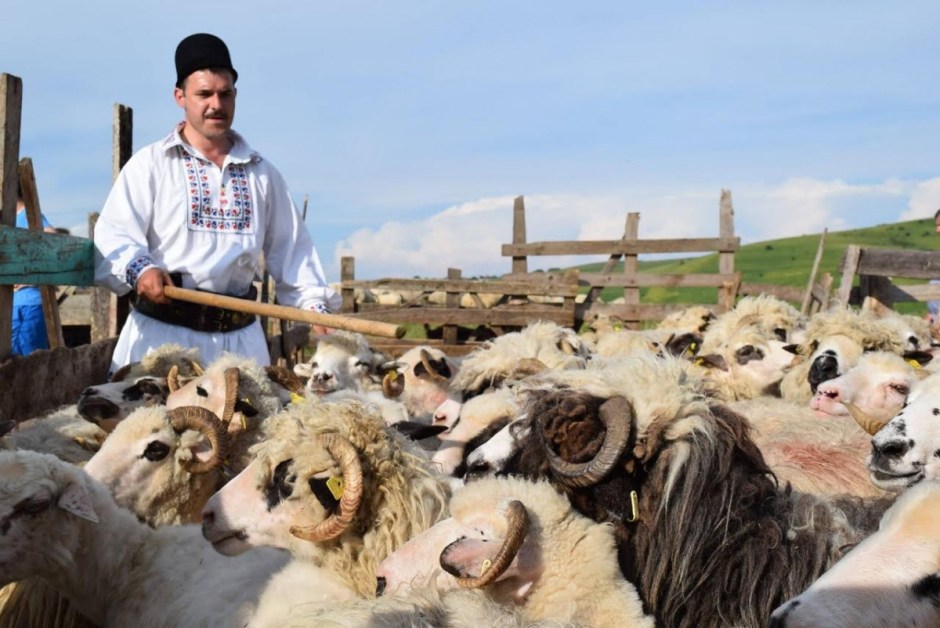
On Sunday around May 10, there was a Sheep Day or Together. Unlike other villages, which also celebrated during the week, this secular celebration was held in Băișoara only on Sundays.
Everyone in the area participated, both those who had sheep and those who did not. A large meal was prepared only with lamb preparations: soups, soups, steaks. The meals were organized not in groups, but in extended families, and an interesting custom that the priest Bucur Daniel met only in Băișoara was the exchange of food between groups (the left group exchanged food with the right and so on).
Sheep was an important event in the village world. Thus, the most affluent bought new clothes for this occasion. If you had no money, it was still obligatory (musai, musai!) For at least the apron to be new. After the milk measurements were made, a football match was held between the herds teams, and at dusk, everyone went down to the center of the village and the hour began!
Talking about animals and customs, the priest remembers how during the period 1 to 10 may stop the land. If by May 1st the animals were allowed to walk on the border, by May 10th they would be fed to the pasture, in stingers. In the mountain areas, the animals could go to the borders of others until June 1 at the latest, at which time each was responsible for his animals.
Another custom only met by the priest in Mount Băișorii took place at the beginning of summer, between June 10 and 20, at the latest. It was the moment when the villagers left the village and headed for the so-called summer sheep. The priest was then invited to hold a job in the meadow for animals to be protected from lightning and thunder.
Plowing and sowing
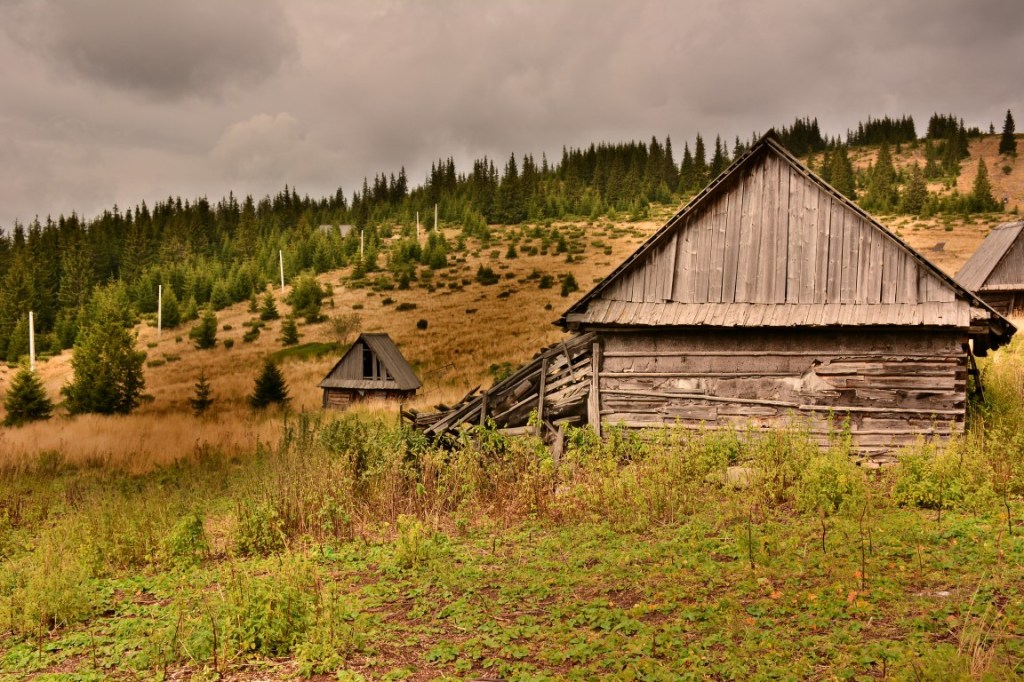
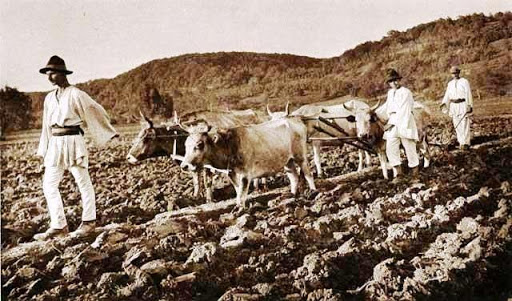
The habits of the earth were not related to certain calendar dates, but they were oriented according to the nature’s walking. For example, maize and potato were not cultivated until the hawthorn flourished, and in the mountain area, spring wheat or barley was depending on the birch and beech leaf.
The former priest from Băișoara remembers smiling and how, before the spring started with the plows, the sanctification of the house took place. After circling the house three times, they threw the seed over the ox and only then began to plow and sow.
Easter customs
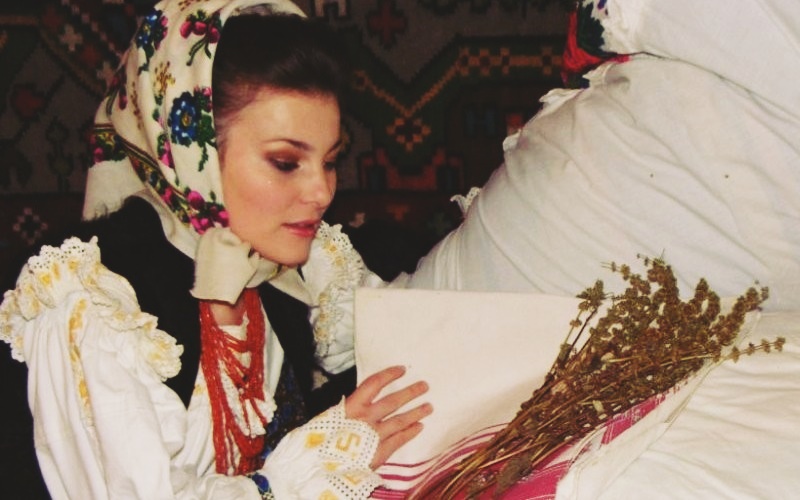
Besides the customs known for Easter, cutting the lamb and preparing painted eggs, I learned that in the week of passions the girls did not put the ribbon in their hair, the hair being naturally braided. At the same time, the first Easter day is not played, but only on the second and third day.
From the Resurrection, people left with their eyes closed to go to church, hoping they would see the treasure. Towards the job, they walked quietly down the path, with lanterns in their hands.
On Easter day, while they were eating Easter, people were standing with their feet on the fire – that iron with which the jar of fire is drawn. Also, in the week of passion, the beer was replaced with the intention!
 Băișoara - a beautiful place to visit and relax