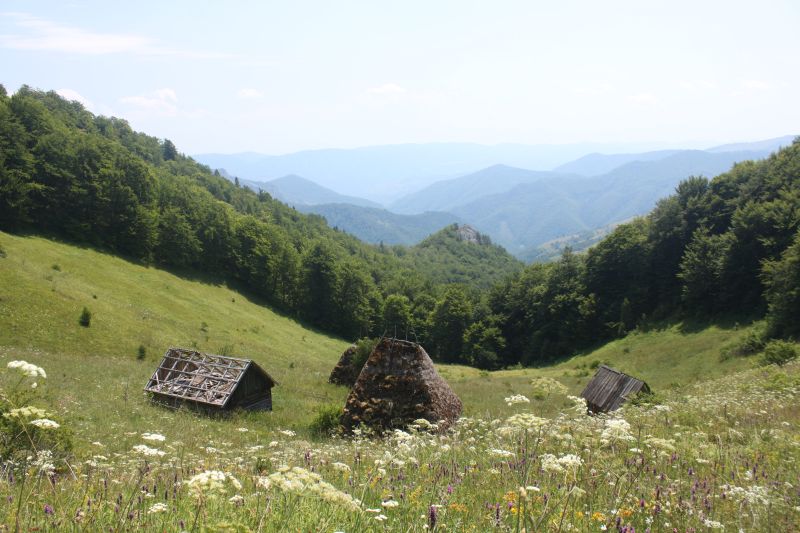
The Baisoara Monastery
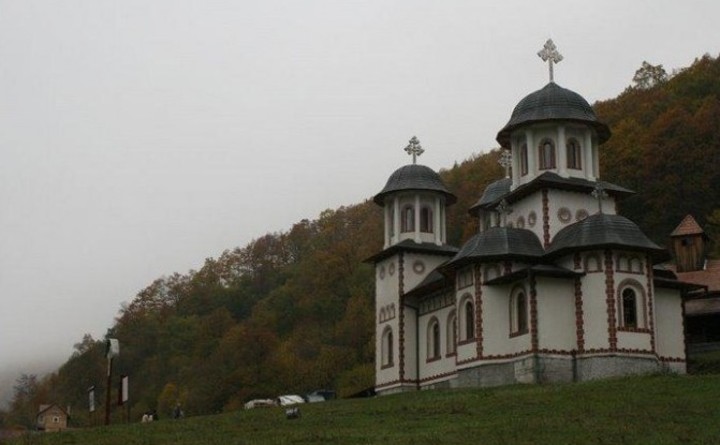
The Băişoara monastery is one of those monasteries that were built after the 1989 Revolution when the need for places of worship was felt, considering that the communist regime was an atheist. It is under the administration of the village of the same name and is located at the point called „La Baie”.
You can reach the Băişoara Monastery on two roads. One starts from Turda and passes through the town of Mihai Viteazu and then into Băişoara, the distance being about 30 kilometers. The other starts from Cluj-Napoca, on the road that connects the city to Oradea, and is reached in the commune of Floreşti, located 8 kilometers from the residence of Cluj county. From Floresti commune turn left, pass through Săvădisla Liţa and then reach Băişoara, the distance being about 30 kilometers.
The idea of establishing the Băişoara Monastery appeared in 1992 and belonged to a faithful woman. Initially, a wooden sketch was built, which had three monks as living beings, but the fact that the hermitage is located in the village did not correspond to the conditions that a monastic life must fulfill. In 1994, following a visit, IPS, Archbishop Bartolomeu of Cluj decided to move the hermitage and turn it into a monastery. The place was chosen by the locals called „La Baie”, which was given to the monastery by a family.
A year later, at the Băişoara Monastery today a temporary wooden church was built, but also two cells. Then, a house annex was erected and electricity was introduced, today it is provided by solar panels, because the hand next to the monastery has been closed.
The Băişoara Monastery is dedicated to the Holy Prophet Ilie Tesvitean. The wooden church has the nave-shaped plan and a single clogged tower, placed on the pronaos. The catapeteasma was made of wood, but it was not carved, as is the case in many churches and monasteries. In 1997, the foundation stone of a larger, walled church was laid, and the wooden one became its paraclis.
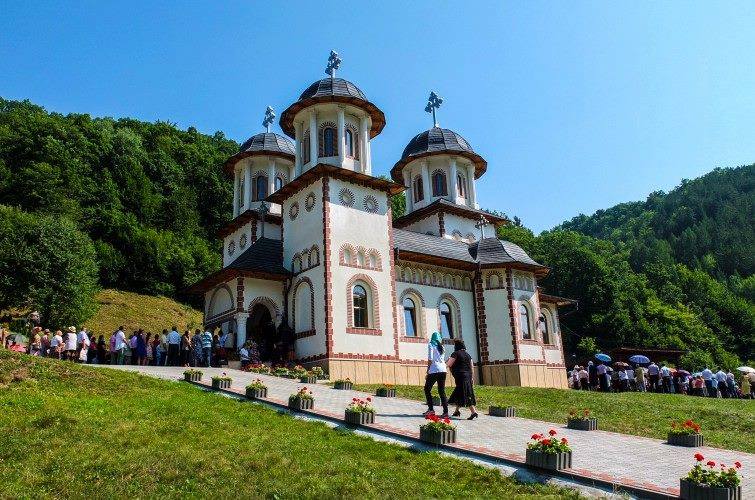
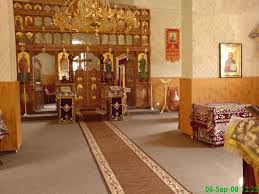
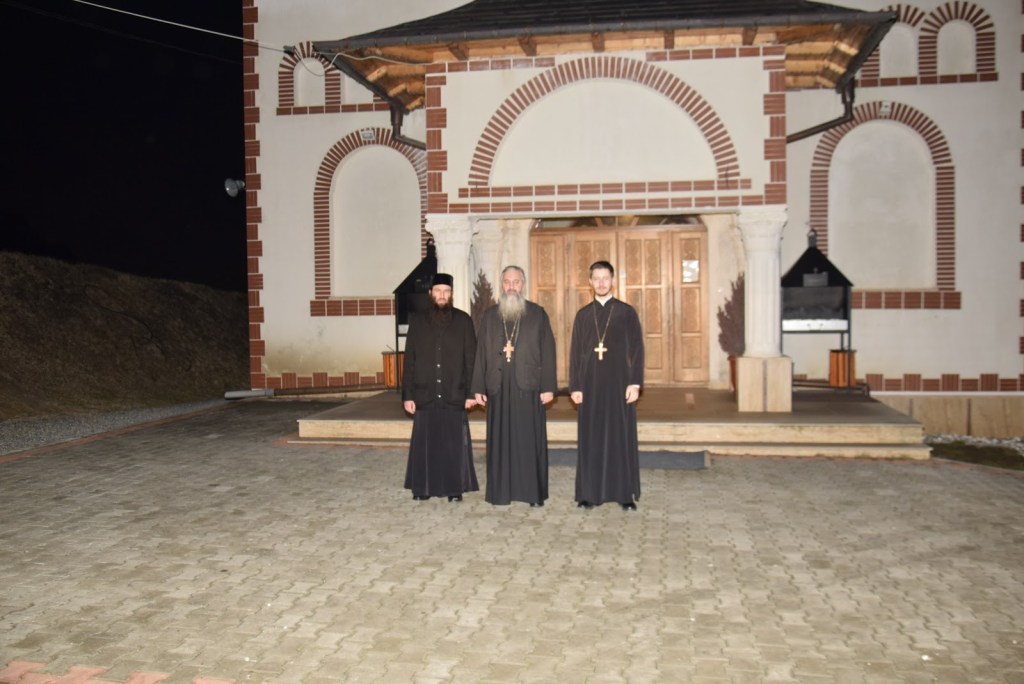
The church of the wall is remarkable by the external decorations, composed of Italian ceramics, plaster strips and capitals. The roof and the turrets have stainless steel crosses on them. As for the interior, those who enter the small church can see an iconostasis carved and adorned with various icons.
Even though the Băişoara Monastery is not completely finished, still needing furniture and interior and exterior painting, she is eagerly waiting for the pilgrims to break her threshold, trying to help them in a spiritual way.
 Băișoara - a beautiful place to visit and relax